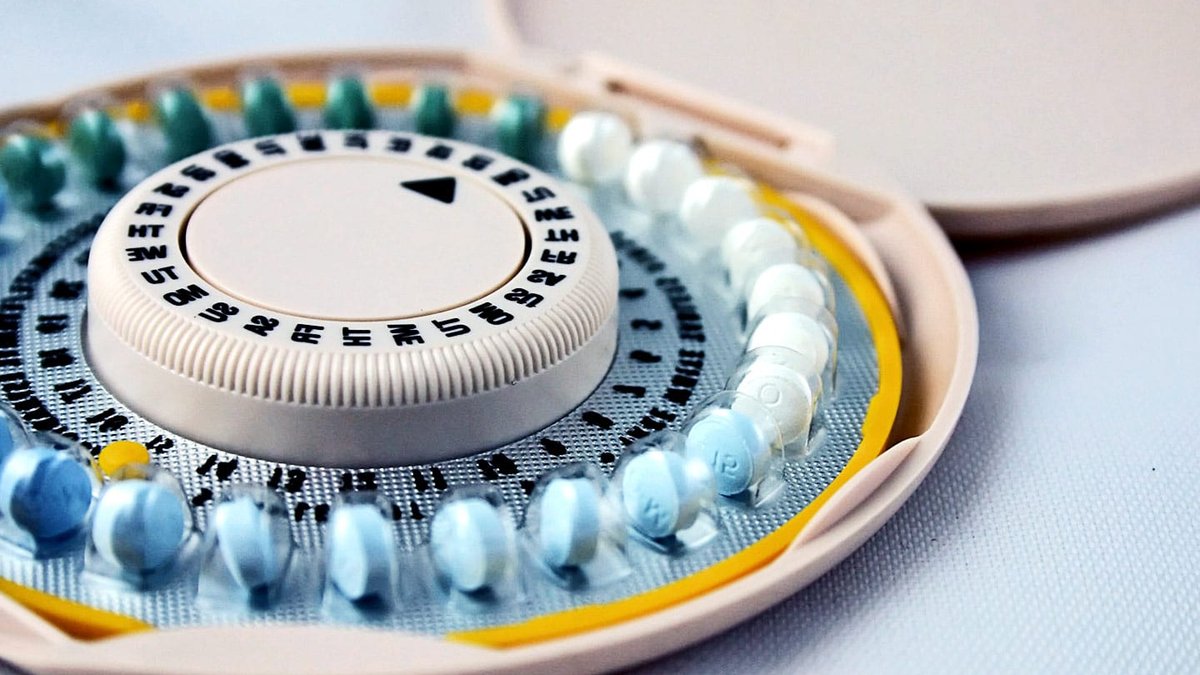
A new study links birth control pills to more binge eating, specifically showing that emotional eating spikes during weeks when women take hormone-containing tablets. The research, published in JAMA Network Open, followed 422 women who were already using combined oral contraceptives, tracking their eating patterns daily for 49 consecutive days to see if binge-related eating changed depending on whether they were taking active pills or hormone-free pills within the same cycle. [1] Simple tips to prevent tech neck might help with posture, but this study focuses on a different bodily change.
How the research works
A typical birth control pack includes about three weeks of “active” pills containing hormones followed by a week of “inactive” pills without hormones. Because the researchers tracked the same women day to day, they could see exactly how eating changed with hormone exposure. The study used a within-person design, meaning each participant served as her own comparison. Researchers measured emotional eating, defined as overeating in response to negative emotions, while tracking whether each day corresponded to an active or inactive pill.
They found a consistent pattern: emotional eating was significantly higher during active pill days than during inactive pill days. This result held true in the full sample of 422 women and in a subset of women with diagnosed binge eating. Shaunna Clark, a coauthor and associate professor of psychiatry and behavioral sciences at Texas A&M University’s Naresh K. Vashisht College of Medicine, says the findings held even after accounting for negative mood. She notes that this suggests the change was not fully explained by emotional distress.
“That tells us the hormones themselves may be playing a role, rather than those changes being driven by mood or other factors,” she says.
Hormones vs. mood
The analysis focused on average changes across the group, but the study emphasizes that not all women experience these shifts in the same way. Participants ranged in age from late adolescence to young adulthood and were all using the same type of pill, monophasic combined oral contraceptives, which provide a consistent dose of hormones during active pill days.
Because the study examined within-person changes, it shows that eating behavior can shift alongside hormone exposure, even if the magnitude of that shift differs between individuals. These findings show a pattern at the group level, but individual responses can vary.
The study does not establish that birth control pills cause binge eating. Instead, it identifies a specific association between hormone exposure and increased emotional eating within individuals. Researchers also tested other outcomes: weight preoccupation did not change across pill type, and mood changes in response to pill type were smaller and less consistent than the changes in eating. Clark says this suggests the effect is relatively specific to binge-related eating behavior, rather than a general shift in mood or body image concerns.
Previous research has shown that binge‑related eating tends to increase after ovulation, when both estrogen and progesterone are raised. This study extends that work by showing that synthetic hormones in birth control pills are linked to similar patterns. By comparing hormone-containing and hormone-free days within the same individuals, the study provides some of the clearest evidence to date that binge-related eating increases during periods of hormone exposure in the birth control cycle.
“Findings like these can help us better understand how different hormone exposures affect eating behavior,” Clark says. “Over time, that could help clinicians and patients make more informed decisions about care.”
Brain Prepares Body for Upcoming Meals Naturally [2] brain prepares body is a complex process, but this study isolates one specific trigger.