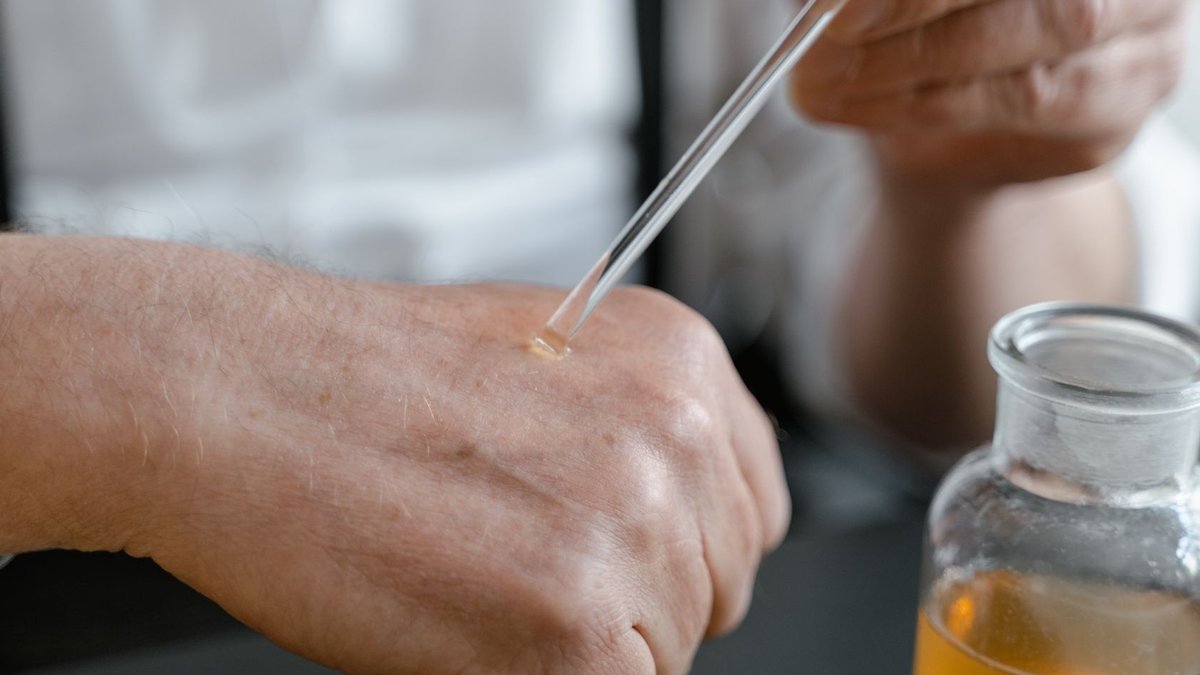
A new guideline issued by the American Academy of Dermatology (AAD) calls on physicians to reassess the diagnosis of atopic dermatitis in adults when symptoms continue despite optimal treatment. Rather than automatically increasing medication strength, the recommendation encourages clinicians to consider other or overlapping skin conditions before labeling the disease as treatment-resistant.
The guidance, which appeared in the Journal of the American Academy of Dermatology, is intended for adults who are thought to have atopic dermatitis but who do not improve with standard therapeutic measures. It points out that persistent inflammation may actually stem from undiagnosed or coexisting problems such as allergic contact dermatitis, various infections, psoriasis, scabies, drug-induced eruptions, autoimmune skin disorders, or cutaneous T-cell lymphoma (CTCL).
A multidisciplinary panel of experts drafted the recommendations using the GRADE methodology. Direct evidence on the best diagnostic work-up for adults with treatment-refractory disease is lacking, so the statements rely on indirect data and consensus, resulting in a Good Practice Statement (GPS).
Read Also: Young HIV Patients Face Early Metabolic Health Risks
The central message is straightforward: before concluding that therapy has failed, clinicians must verify that guideline-recommended options—topical agents, phototherapy, or systemic medications—have been correctly prescribed and that patients have adhered to them. Failure to confirm proper use can lead to misinterpretation of disease activity.
Barriers such as limited access to care, the complexity of multi-step regimens, or patient fatigue often explain why symptoms persist even when a medication is technically being used. Recognizing these obstacles helps avoid premature judgments about resistance.
Diagnostic testing should be individualized rather than applied uniformly. The choice of investigations, patch testing, skin biopsies, scrapings, cultures, or laboratory studies, must match the clinical picture presented by each patient.
Patch testing becomes especially important when allergic contact dermatitis is suspected. This is frequently the case in adult-onset eczema, in lesions that follow atypical patterns like isolated hand or facial involvement, or in chronic, relapsing eruptions that worsen despite conventional therapy. Full patch testing, the gold standard for identifying reactions to contact allergens, may be appropriate.
Read Also: Warfarin suitable for low risk patients
Biopsies are advised when the skin’s appearance or its progression raises concern for other inflammatory, autoimmune, or malignant processes. Histologic examination can help rule out conditions such as pityriasis rubra pilaris, bullous pemphigoid, cutaneous lupus, or CTCL. In suspected CTCL, obtaining multiple samples over time may be necessary because early lesions often yield inconclusive findings.
Infections and infestations must also be excluded when the distribution or morphology suggests scabies, fungal overgrowth, or bacterial colonization. Skin scrapings examined under microscopy, fungal or bacterial cultures, and viral polymerase chain reaction (PCR) assays can identify hidden pathogens. Collecting material from several affected sites improves the likelihood of detecting organisms that might be missed by a single sample.
When the diagnosis remains uncertain or when high-risk alternatives cannot be excluded, the guideline recommends referral to a dermatologist who specializes in atopy or complex dermatitis. At that stage, additional evaluations such as phototesting, photopatch testing, or laboratory studies may be appropriate.