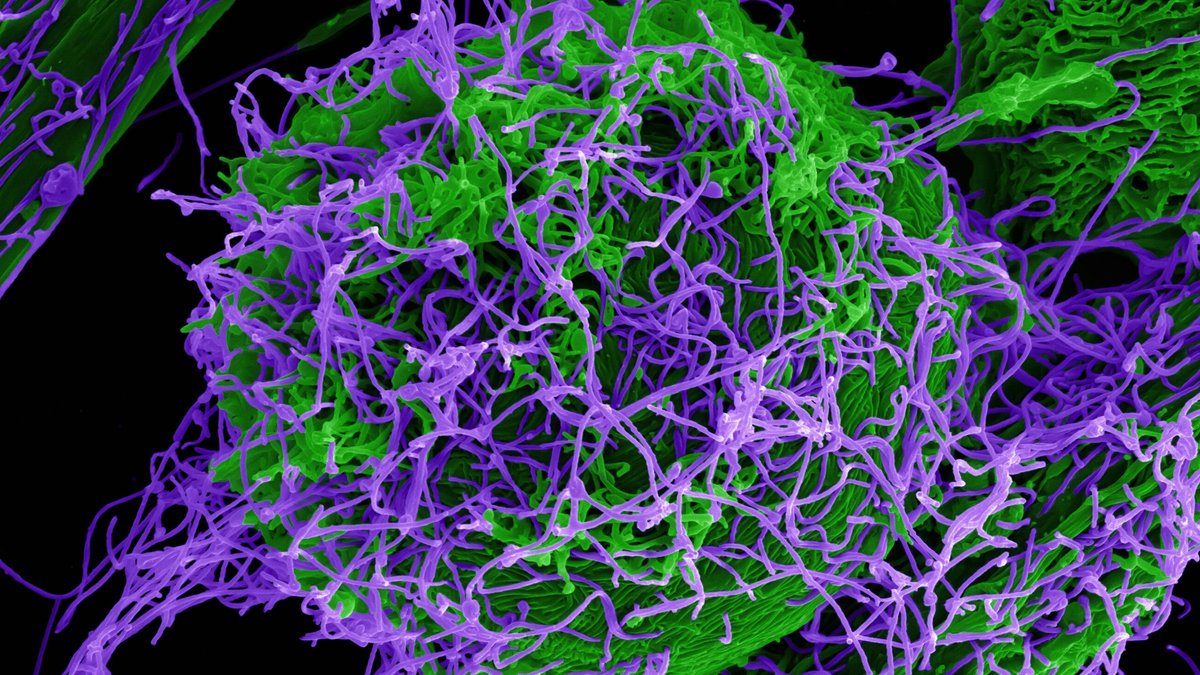
Decades after the Ebola outbreak in West Africa, Guinea has built a network of regional laboratories to detect viral hemorrhagic fevers. The facilities in Guéckédou and N’Zérékoré test samples for Ebola, Marburg, Lassa, and other diseases. The work is part of a national system managed by the Ministry of Health and supported by the National Reference Laboratory in Conakry.
Building capacity after the epidemic
The 2014–2016 Ebola crisis showed the need for local diagnostic tools. In response, the Laboratory for Viral Haemorrhagic Fevers (LFHV-GKD) in Guéckédou began operations in 2017. A second laboratory at the regional hospital in N’Zérékoré (LFHV-HRNZE) was strengthened in 2021. Both sites offer free molecular diagnostics for Ebola, Marburg, Lassa, yellow fever, and dengue viruses.
Between 2017 and 2024, the two labs processed 4,683 samples from suspected cases. Results are available within one day. The teams confirmed infections with Ebola, Marburg, and Lassa viruses. This data shows how local labs can operate reliably in high-risk areas.
Locally anchored laboratories change how health officials track disease. In 2021, the teams identified the resurgence of Ebola and the emergence of Marburg virus disease. Rapid confirmation allowed authorities to start countermeasures immediately. Testing also revealed the true burden of Lassa fever, yellow fever, and dengue in the region.
Between 2020 and 2024, the labs confirmed 30 cases of Lassa fever, mostly in Guéckédou and N’Zérékoré prefectures. Before these facilities existed, case reports were rare despite earlier studies suggesting the virus was present. The current data proves Lassa virus is circulating in Forest Guinea.
Despite the progress, funding remains a challenge. Dr. Sophie Duraffour, head of the “Outbreak Preparedness and Response” laboratory group at BNITM, notes that most money for these programs is tied to short-term projects. International donors, including the Global Health Protection Programme of the German Federal Ministry of Health, have helped set up and run the labs. Sustaining the infrastructure beyond donor deadlines is difficult.
The authors see further potential for growth. Plans include expanding the range of tests, linking peripheral health centers, and turning the facilities into regional training hubs. Such centers could train specialists from other prefectures and neighboring countries, creating a cross-border network for outbreak diagnostics.
Challenges in recognizing Lassa virus
Among the confirmed cases, the outcome was poor. Around two-thirds of patients with known outcomes died. The study attributes this to the time between infection and treatment. Without fast diagnosis, patients often arrive late for care.
A model for future prevention
Dr. N’Faly Magassouba sees value in this work. He led the national reference lab in the past. He calls the program a North–South collaboration. Experts from Germany helped build the system in Guinea. This partnership has reduced the risk of major outbreaks.