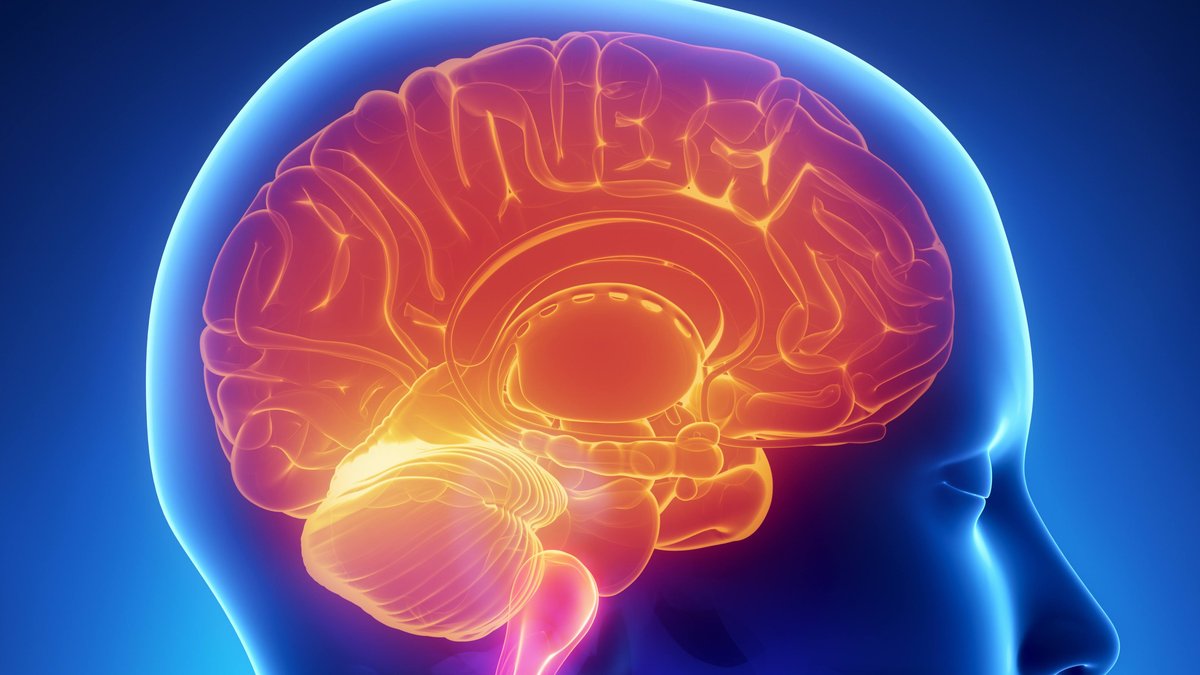
Receiving a diagnosis of a pituitary tumor often leaves patients with many questions and uncertainties. This tiny, pea-sized gland sits just behind the nasal cavity at the brain’s base, adjacent to critical nerves that control vision. Its role involves secreting essential hormones that govern growth, metabolism, reproductive functions, and the body’s stress response.
Most pituitary tumors are noncancerous, and some don’t require treatment. The diagnosis depends primarily on the tumor’s size and location, whether it extends into the cavernous sinus, and how it affects hormone production. Most pituitary tumors are called pituitary adenomas, which are noncancerous tumors that develop from the tissue of the gland.
Pituitary Tumor Effects on Health
A pituitary tumor can affect health in two main ways: by changing hormone levels or by growing large enough to press on the actual pituitary gland or nearby structures. Because the pituitary gland sits close to the optic nerves, a larger tumor can affect vision. Pituitary tumors and adenomas generally fall into two broad groups: functioning tumors that make hormones and nonfunctioning tumors that don’t make excess hormones.
Functioning tumors can cause hormone levels in the body to become too high, leading to symptoms that depend on which hormone is involved. Nonfunctioning tumors can cause problems if they grow large enough to press on the pituitary gland, reducing its normal hormone production, or on nearby structures such as the optic nerves.
Symptoms and Treatment
Symptoms of pituitary tumors can include vision changes, tiredness, weakness, or low energy, and changes in sexual function or interest in sex. Hormone-producing tumors can cause more specific symptoms, such as milky breast discharge, menstrual changes, or fertility problems. Treatment depends on the tumor’s type, size, and location, as well as its effects on hormone levels.
Treatment options may include monitoring, medication, surgery, or radiation therapy. Small tumors that aren’t causing problems may be monitored over time, while some tumors can be treated with medication. Surgery may be recommended when a tumor affects vision, interferes with pituitary gland function, or produces certain excess hormones.
In rare cases, a pituitary tumor can cause a serious condition called pituitary apoplexy, which requires immediate medical care. Following a pituitary tumor diagnosis, evaluation may include blood tests, an MRI, and vision testing to determine the best course of treatment. Understanding the tumor’s size, location, and effect on hormone production can help patients and their healthcare team determine whether treatment is needed and which approach is most appropriate.