The operator currently runs thirty communities that together contain about 2,100 residential units. It owns twenty-eight sites outright and manages two additional properties on behalf of partners.
Its footprint spans eleven sites in Chicago, twenty-five locations across the rest of Illinois, three communities in Florida and two in Missouri, giving it a regional presence that balances urban and suburban markets.
Recently, the group assumed management of a Tinley Park, Illinois, community and is finalizing a purchase of a property in Woodstock, Illinois. The sizes of these sites vary widely, ranging from twenty-four units at the smallest location to one-hundred-fifty units at the largest.
Growth Strategy and Market Conditions
The CEO described the current market as a mixed bag, noting that many properties are on the market while higher financing costs make new development harder.
The provider’s growth approach remains conservative; senior leaders regularly assess whether any potential deal fits the existing portfolio and meets the nonprofit’s financial criteria.
All sites are independent-living communities that offer a range of activities and services, which the CEO said is “very important” for maintaining quality senior housing.
Waiting lists remain extensive, with some stretching several years, which reinforces the push for additional units.
Rising interest rates and tighter financing limit the ability to fund large-scale growth, prompting the nonprofit to seek state and federal aid, although such resources are currently scarce.
The biggest obstacle, according to the chief executive, is the nationwide shortage of subsidized senior housing, leaving the organization dependent on Section 8 allocations.
He warned that the gap between private-pay options and subsidized units is widening, leaving many older adults without affordable choices.
Renovations and Resident Impact
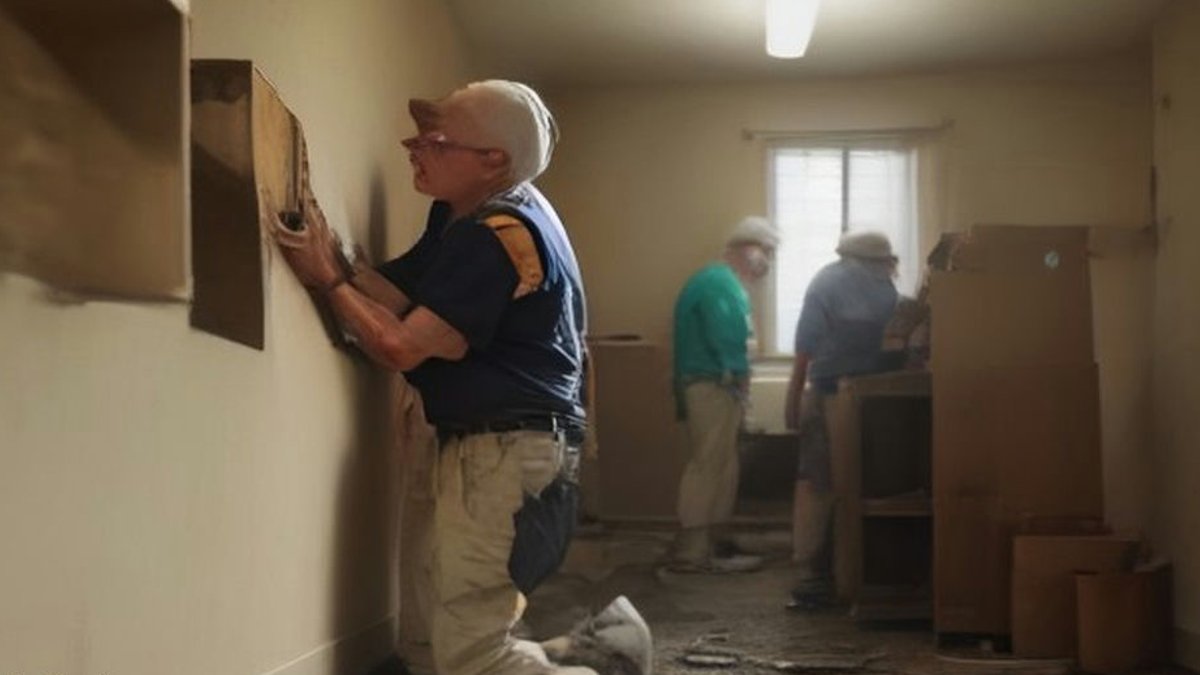
A fifth renovation is planned; success could lead to further modernization of older sites throughout the network.
Residents have reported feeling “like they’re living in a brand-new community” after the upgrades, noting that improvements go beyond simple cosmetics and actually enhance daily living.
Building financial reserves to fund future renovations remains a priority, and the organization is simultaneously evaluating new acquisition opportunities that could benefit from similar upgrades.
Future Priorities and Policy Outlook
“Happier employees equals happier residents,” the CEO emphasized during a recent staff meeting.
The chief executive hopes state and federal legislators will introduce direct assistance, tax incentives, or additional resources for providers of low-cost senior housing.
He concluded that the country must recognize the need to “give more help to this space” as affordability continues to shape the senior living sector’s future.