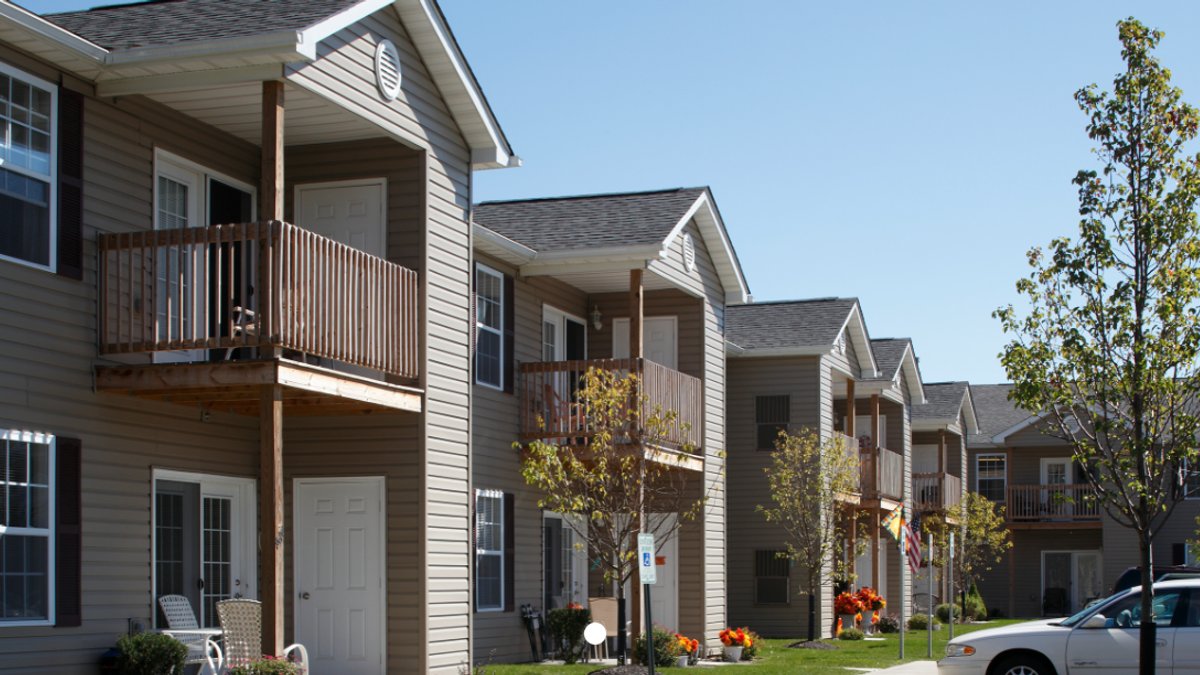
Senior living companies are developing new models to meet the growing demand for active adult lifestyles among baby boomers. One such company is One Clover, a Williamsville, New York-based operator that has been building active adult communities since 1999. The company, which rebranded as “One Clover” in 2024, currently has 85 active adult communities located along the I-75 corridor, ranging from Toledo, Ohio to cities in Michigan.
One Clover’s leadership team is pushing for up to three new developments per year, primarily in secondary and tertiary markets. The company recently opened its first community in the Chicago area and is planning to expand further in the region. Industry veteran Bill Pettit, who founded Merrill Gardens, is also entering the active adult sector with his company Black Dog Capital Advisors.
Meeting the Growing Demand
Black Dog has one active adult development underway in Washington and another slated to begin construction in the first quarter of 2027. Pettit partnered with his son, Billy Pettit, to launch the company’s active adult platform in 2023. The company’s model is based on providing a less expensive offering for older adults who don’t yet require the services of a senior living operator but still want to connect with others.
According to the latest NIC data, the average active adult resident is in their 60s or early 70s when they move in, a group that is driving the industry’s looming age wave. Active adult penetration rates are below 1% in most markets across the U.S., and people between the age of 65 and 74 represent about 10% of all renters in the U.S., making them the fastest-growing renter demographic.
Pettit said, “I saw a way that we could provide 70% plus of the benefits of a full-service community for about half the cost.” The company is equipping spaces with full kitchens and washer and dryer units, with planned one- and two-bedroom layouts to accommodate incoming residents’ preferences for larger units.
Designing for Socialization
Black Dog’s communities are designed to promote socialization among residents, with purpose-built gathering areas like pubs, coffee shops, and lounges. The company is aiming to build communities in markets where adult children will gather to raise families, allowing seniors to be close to their neighborhoods and participate in an active adult lifestyle.
Related Post: Senior Housing Operator Expands, Plans Renovations
Active adult prospects have an average age of 72, compared to 83- and 84-year-old average in senior living, giving them an additional decade of mobility, wellness, and activities ahead of time. Pettit’s communities create resident profiles to determine how they engage with activities and what they like, to promote socialization among residents. One Clover, on the other hand, has grown via development and is seeking both opportunities to build anew and buy communities, with a focus on middle-income older adults.
The company manages 69 properties for Welltower, including 25 Emerald Reserve branded communities, and is seeking to expand its regional coverage near other communities it already operates. One Clover’s leadership is examining land deals in Michigan and Albany, New York, to continue growing its portfolio, with a goal of reaching an average occupancy of 93.5% across the portfolio.
One Clover’s Market Strategy
One Clover targets middle-income older adults by using repeat contractors to lower construction costs, keeping rates affordable. This approach focuses on prospects who rely mainly on Social Security as their primary income.
In Crystal Lake, Illinois, One Clover saw a significant increase in interest, with 20,000 prospects within a 10-mile radius, compared to the typical 5,000 in other areas.
Cost-Effective Models
Black Dog’s approach focuses on reducing costs for residents. Senior living communities often increase rental rates annually, making them less affordable. Active adult communities, without a care component, require fewer staff, allowing operators to charge lower rates compared to independent living.
The company’s vertical integration in development, construction, and management is seen as a significant advantage for future growth.