A new report from the Australian Institute of Health and Welfare highlights the urgent need for culturally safe healthcare and social services for Stolen Generations survivors as the nation approaches the 30th anniversary of the Bringing Them Home report.
Disparities in health and wellbeing
The latest national analysis of Stolen Generations survivors aged 50 and over shows no substantial improvement in their health and wellbeing over the past five years. The data confirms that survivors face significantly poorer outcomes than other Aboriginal and Torres Strait Islander people who were not removed, and the gaps widen sharply when compared to non-Indigenous Australians. This phenomenon is often described as a “gap within a gap,” reflecting the compounded disadvantage faced by these specific groups.
There are approximately 23,300 Stolen Generations survivors still with us, representing about one in seven Aboriginal and Torres Strait Islander people aged 50 and over. Around 200,000 descendants are also affected. The AIHW has found that survivors are 2.7 times more likely than other Indigenous adults to have severe disability and 1.9 times more likely to be experiencing high psychological distress. When compared to non-Indigenous Australians, gaps exist across every measure, with kidney disease six times more likely and diabetes 2.8 times more likely among survivors.
Descendants face their own challenges, being 1.3 times more likely to report high psychological distress than other Indigenous adults and 1.5 times more likely to have trouble accessing government services. Severe disability is 2.6 times higher for descendants, and the incidence of kidney disease and diabetes is 4.5 times and three times higher respectively. The data does not paint the whole picture, as the survey did not include people living in aged care homes, leaving a significant portion of the population uncounted. Population data does not fully reflect the strength and resilience of survivors despite these statistics.
Related Post: Australia lags on AI health policy
Solutions and stalled progress
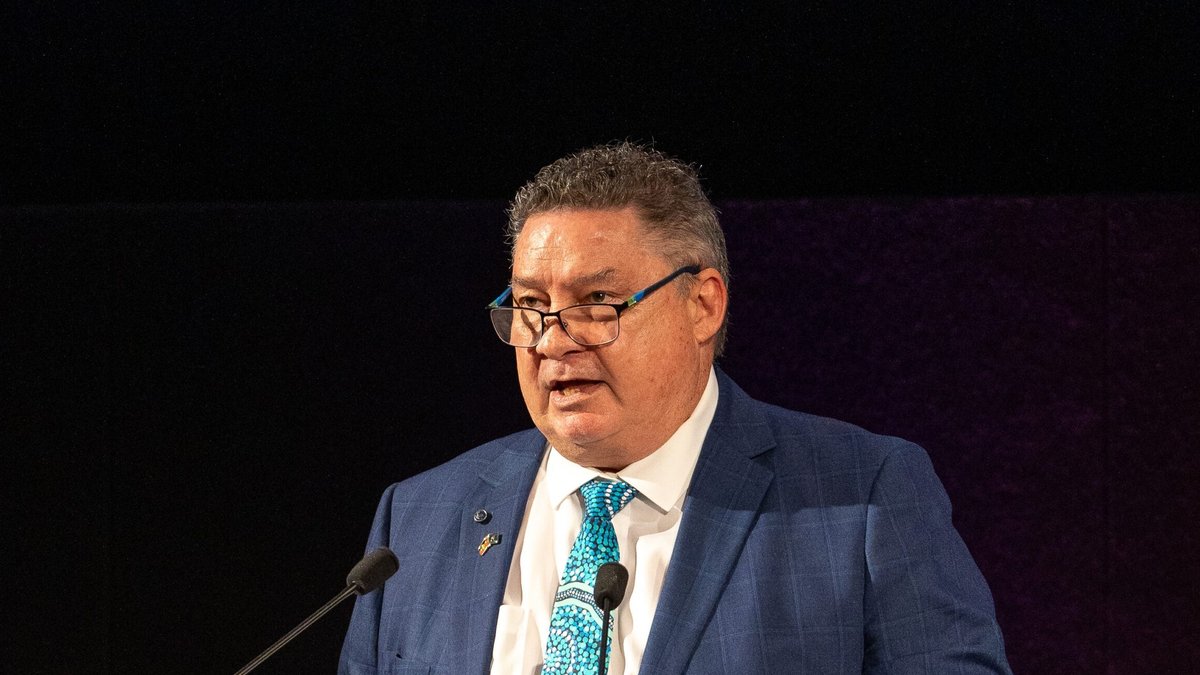
The Healing Foundation Chair Professor Steve Larkin says the report provides an impetus for governments to finally address the needs of the Stolen Generations. He notes that political will is needed to deliver systemic change, as only six percent of the 83 recommendations from the 1997 Bringing Them Home report have been implemented. There is no nationally consistent health or aged care entitlement recognising the ongoing impacts of forced removal. The persistent lack of accountability highlights a critical systems failure that has allowed these disparities to persist for decades.
Systemic, long-term commitment from governments is required to move beyond ad hoc approaches. The 30th anniversary of the Bringing Them Home report on May 26, 2027, will shine a national spotlight on the failure to act. If targeted, strategic, and systemic action is not taken now, the narrowing window for improvement will close as survivors grow older with complex needs. Small actions could realise significant benefit, but meeting survivors’ needs and rights would help honour and heal their experiences and accelerate whole-of-community gains.
Tangible actions and future hopes
Organisations representing Stolen Generations survivors have already identified a range of solutions to address these deep-seated disparities. The National Apology in 2008 served as an act of healing, while sustained investment in Link-Up services has enabled many survivors to reconnect with their families and communities. The Healing Foundation’s roadmap, titled “From Sorry to Action,” outlines specific steps for governments, stakeholders, and service providers to take. This plan includes calls for trauma-aware services, which would help workers understand the unique needs of survivors. Embedding social and emotional wellbeing measures into the updated National Mental Health and Suicide Prevention Plan is another critical step.