Taiwan’s government proposed an 18% increase in defense spending for 2027, pushing the budget above T$1 trillion ($31.41 billion) for the first time. The decision responds to growing military pressure from China, which claims the island as its territory.
The proposed budget, approved by the cabinet last week, would allocate T$1.1225 trillion to defense—more than 3% of the island’s gross domestic product. President Lai Ching-te called the increase essential to counter Beijing’s escalating threats, though his administration faces resistance from an opposition-controlled legislature.
Legislative hurdles and U.S. pressure
Opposition parties, holding a majority in parliament, delayed this year’s budget for months. They argued against granting the government a “blank check” but have repeatedly affirmed support for defense spending, indicating the final figure may not face outright rejection.
The U.S. urged Taiwan to expand its military capabilities, mirroring pressure on European allies to boost defense budgets. Lai, who took office in May, aligned with Washington’s stance, prioritizing domestic production of submarines and other advanced weaponry.
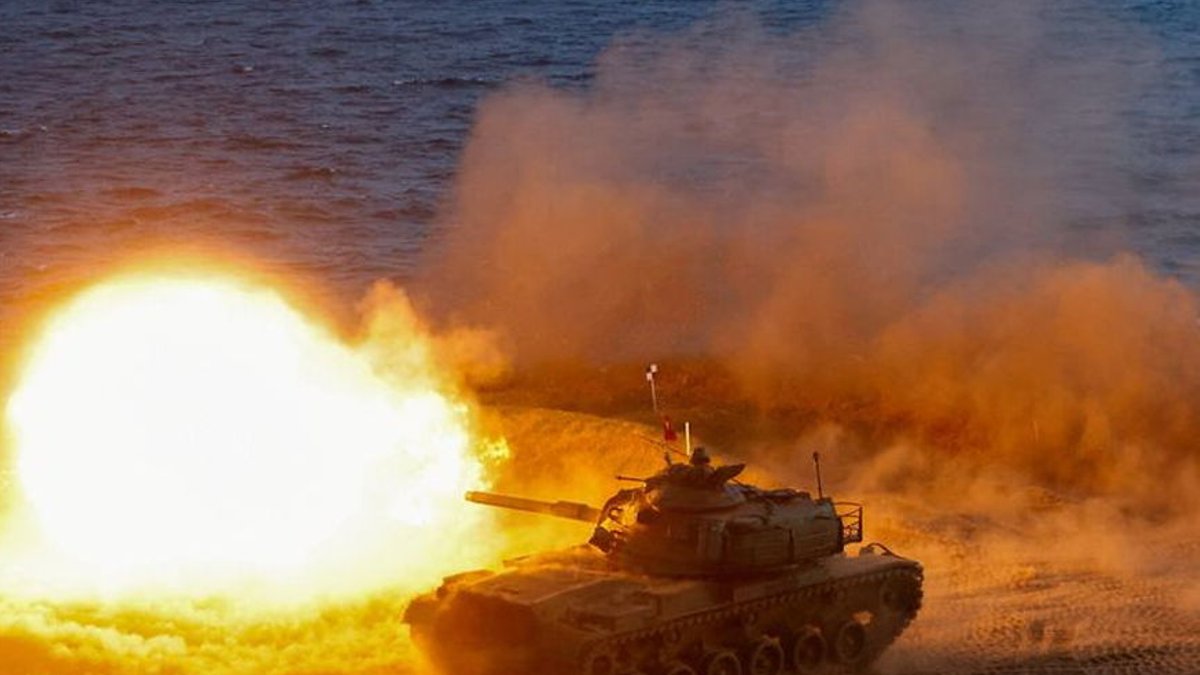
The budget includes funding for veterans and the Coast Guard, which supports naval operations. Taiwan has increased military exercises in recent years, including last week’s Han Kuang drills. These simulated responses to a Chinese blockade, but Beijing dismissed them as a “wasteful charade” that “stoked war panic.”
China’s military maneuvers and Taiwan’s response
China’s military maintains near-daily activity around the island, conducting patrols in the Taiwan Strait and the Pacific Ocean. Beijing also deployed its coast guard for “law enforcement” missions off Taiwan’s east coast, a tactic blurring the line between military and civilian operations.
Related: AI Brings Joy Back to Medical Practice
Taiwan’s defense strategy now focuses on asymmetric warfare, using mobile, cost-effective systems to deter invasion. The island’s submarine program, a key part of this approach, faced delays but remains a priority. While the spending increase is significant, it still falls short of China’s military budget, estimated at over $230 billion this year.
The administration framed the boost as a long-term commitment rather than a short-term reaction. The proposal follows years of gradual increases, reflecting a broader regional trend as countries like Japan and the Philippines expand their defense capabilities amid rising tensions.
The budget must still pass parliament, where lawmakers demanded greater transparency. If approved, the funds will support modernization efforts, including upgrades to air defense systems and indigenous missile development.
China’s Defense Ministry has not directly commented on the proposal but previously warned that increased military spending by Taiwan “undermines cross-strait stability.” Such statements often label these moves as provocations, though Beijing has not ruled out using force to assert its claims over the island.
Taiwan’s defense ministry did not speculate on China’s potential response but stated the budget reflects the island’s determination to defend itself.