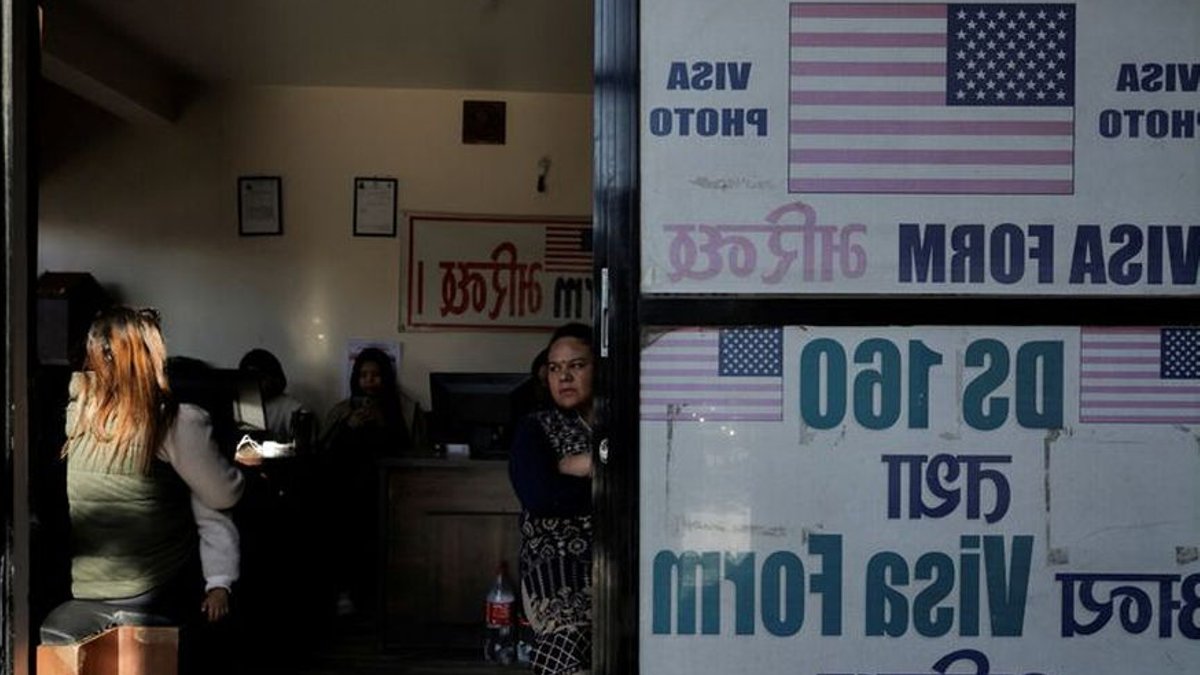
The Trump administration has paused visa appointments for applicants worldwide as part of an ongoing immigration crackdown, according to a U.S. State Department spokesperson.
The move, announced Tuesday, follows a global training initiative launched at all U.S. embassies and consulates. The State Department said visa services would be adjusted to accommodate the training but did not provide a timeline or further details.
Training focuses on public benefits, consistency
The training aims to help consular officers screen applicants deemed likely to become dependent on U.S. public benefits. It also seeks to ensure “full and consistent” evaluations of visa applicants, the spokesperson said.
Immigrant visa applicants with scheduled interviews have received emails notifying them of rescheduling, with no new dates provided. The pause was first reported by the Financial Times.
This is not the first time the administration has faced legal challenges over its immigration policies. Last Friday, a federal judge struck down a policy suspending immigrant visas for applicants from 75 countries, ruling that Secretary of State Marco Rubio exceeded his authority.
Crackdown draws criticism from rights groups
Trump’s immigration policies have included revocations of visas and green cards, as well as rejections of applications over political opinions and participation in pro-Palestinian protests against Israel’s military actions in Gaza. The administration has framed these measures as efforts to strengthen domestic security.
Related: Enes Freedom tossed after altercation with Sky
Human rights organizations have condemned the crackdown, calling it discriminatory and a violation of free speech and due process. They argue it has created a climate of fear, particularly for ethnic minorities who report increased racial profiling.
While Trump’s 2024 campaign focused on stopping illegal immigration, his administration has also made legal immigration more difficult. New and higher fees have been imposed on certain work visa applicants, adding financial barriers to the process.
The pause in visa appointments comes at a time when many applicants face lengthy wait times. For some, the delay could mean missing job opportunities, academic deadlines, or family reunifications. Others may see their applications expire before a new interview can be scheduled.
The State Department has not indicated when normal visa processing will resume, leaving thousands of applicants in limbo. Some may choose to pursue alternative immigration pathways, while others could be forced to abandon their plans altogether.
Earlier this year, the administration also proposed changes to the public charge rule, which would expand the criteria for denying visas based on potential reliance on government assistance. Critics say the rule disproportionately affects low-income applicants and families.