This vast resource enables large-scale studies, linking genetic information to health outcomes and supporting discoveries across diseases like cancer and heart conditions.
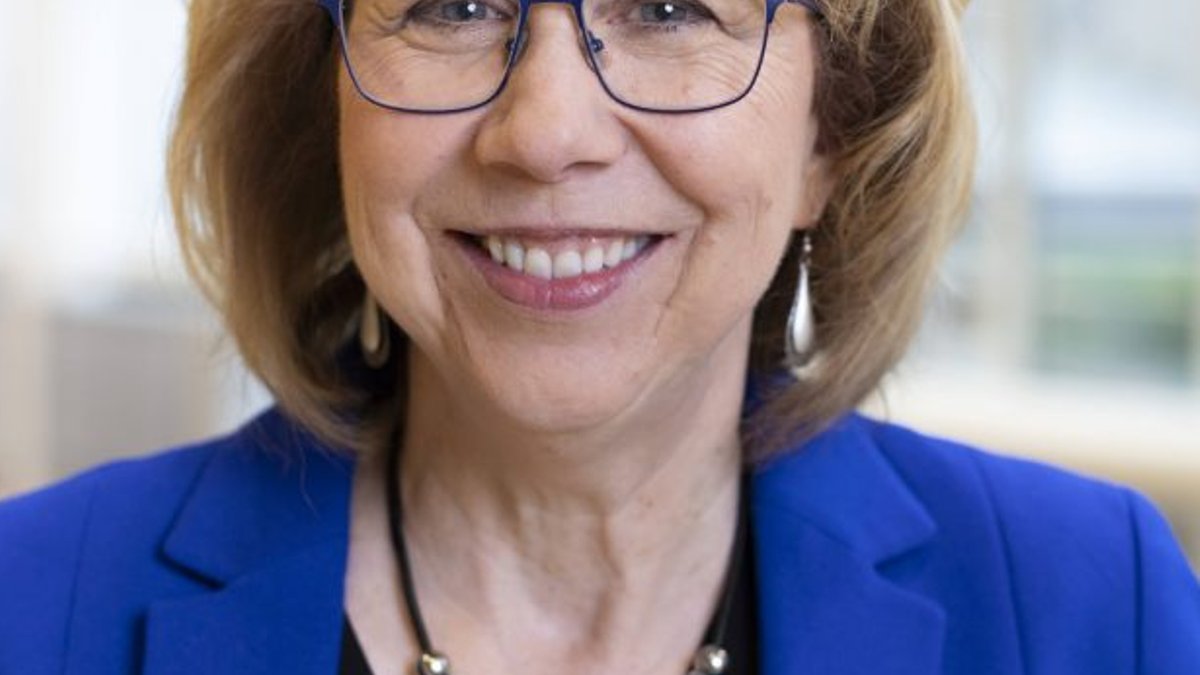
Since 2009, Janet Olson, Ph.D., an epidemiologist and lead researcher for the Biobank, has played a key role in establishing this extensive collection. To date, the Biobank has backed over 650 investigations covering cardiovascular issues, malignancies, brain-related illnesses, and numerous other health concerns.
Breakthroughs in DNA sequencing technology have transformed how these samples can be examined. Scientists have scrutinized the gene sequences responsible for protein production in all 52,000 participants, pinpointing genetic variations associated with illness.
Connecting the Biobank to a broader research ecosystem
The genetic findings gain deeper meaning when paired with participants’ long-term health outcomes.
Dr. Olson states that one of the strengths of the Biobank is its medical record and the depth of the medical records. There are patients for whom they have data from the time they were born.
The Biobank’s genetic information can now be cross-referenced with thousands of additional datasets in the Research Data Atlas, encompassing medical records, scans, tissue studies, and other scientific records. This integration lets researchers explore patterns across populations and biological systems.
Machine learning assists scientists in sifting through vast datasets to uncover subtle connections that might otherwise go unnoticed. These insights could improve disease prevention, help predict who is most vulnerable, and explain why identical conditions manifest differently in individuals.
Uncovering hidden genetic risk
Through large-scale genetic screening, researchers have identified around 2,500 participants with findings that could have direct medical implications—such as inherited susceptibilities to severe cancers and heart diseases. More than 1,000 have been given the option to learn their results, leading some to further diagnostic testing, monitoring, or specialized treatment.
Genetic counselors guide participants in deciding whether to receive their findings and, if so, coordinate follow-up tests and care. Dr. Olson highlights that the volume of shareable results has risen dramatically in recent years, with growing medical knowledge expanding the number of actionable discoveries.
The Biobank’s ability to return results to participants is creating opportunities for them to take action based on their genetic risk.
Dr. Olson’s work on the Biobank is part of a larger effort to understand the genetic basis of disease. By studying the genetic data alongside medical records and other research data, they can gain a better understanding of how genetics influences health.
The Biobank’s genetic data serves as a reusable asset, as the same information can be analyzed repeatedly without depleting the original samples. By maintaining physical specimens, researchers can revisit them as new methods emerge, sometimes revealing biological details that were previously undetectable.
By integrating the Biobank’s genetic data with diverse research datasets in the Research Data Atlas, scientists can investigate relationships across broad populations and various biological factors.
The Research Data Atlas includes clinical, imaging, pathology, and other research data. This gives researchers a way to search for relationships that might be difficult to spot otherwise.
The collection brought together blood samples and health information from approximately 10,000 women with breast cancer.