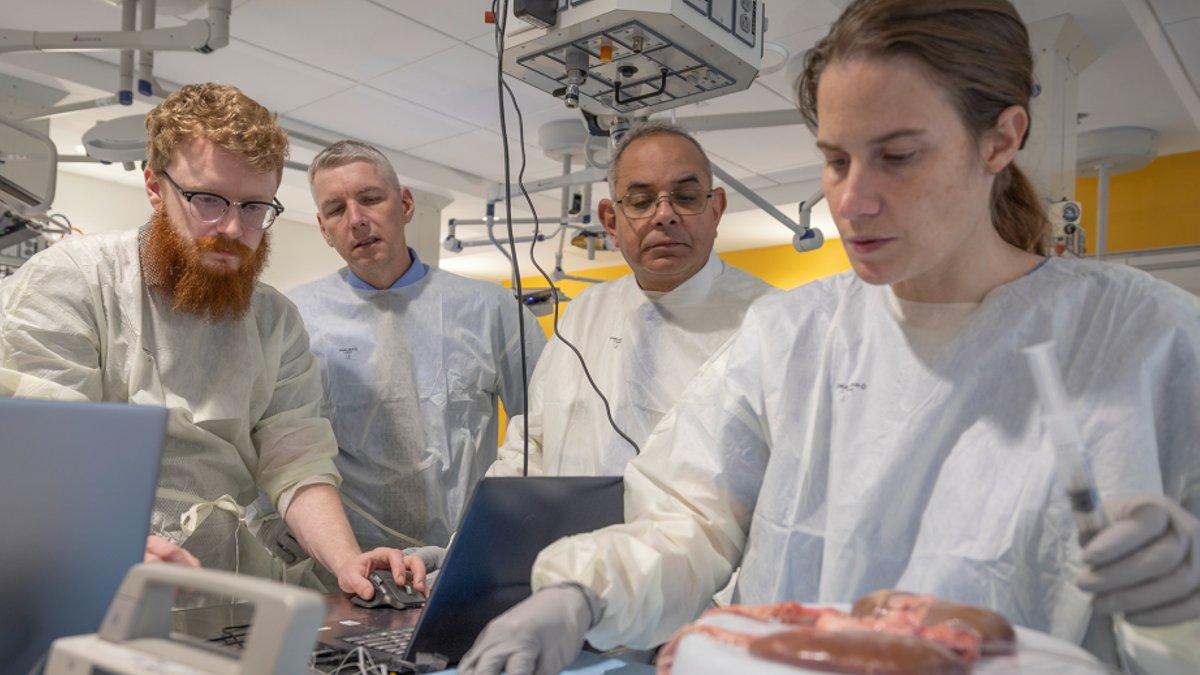
Researchers at the Mayo Clinic are working to increase the number of donor organs available for transplant by keeping them functioning outside the body for longer periods. In a lab at the Mayo Clinic’s Organ Rejuvenation Unit in Florida, a human kidney is connected to a perfusion machine, which keeps it active with warm, oxygenated fluid moving through its blood vessels.
The kidney, which was deemed unsuitable for transplant due to disease, is able to filter waste from the circulating fluid and produce urine, carrying out some of the same functions it would perform inside a patient. This allows researchers, including Dr. Shennen Mao, to study the organ’s response to damage and test potential treatments.
Increasing Organ Availability
According to Dr. Mao, one of the biggest challenges as a transplant surgeon is seeing patients become too sick for transplantation due to a lack of available organs. The work being done at the Organ Rejuvenation Unit aims to change this by making more donor kidneys available for transplant. More than 800 people are currently waiting for kidney transplants at the Mayo Clinic in Florida, and nationwide, over 95,000 people are waiting for a kidney transplant.
Dr. Mao and her team, including Dr. Eduardo Chini, Dr. Sonu Kashyap, and Dr. Fouad Chebib, are currently able to keep donor kidneys functioning outside the body for hours, but they hope to extend this window to as long as 21 days. This would give them more time to test treatments, track the organ’s response, and determine whether its function can be improved for transplantation.
A longer window of perfusion could be especially useful for kidneys that are difficult to transplant due to age or disease, including those from donors over 75 or with conditions such as diabetes or high blood pressure. By supporting these kidneys through the transplantation process and stabilizing them in a healthy environment, they could potentially provide years of good kidney health to recipients.
Related Post: Mayo Clinic Biobank aids disease research
Keeping a diseased kidney functioning also gives researchers a chance to study what is happening inside the organ. The team recently completed its first perfusion of a kidney affected by polycystic kidney disease, which causes cysts to grow throughout the organ and can lead to kidney failure.
Testing New Treatments
For much of transplant history, donor kidneys were kept cold before surgery to slow down their metabolism and limit damage. However, this method has its limitations. Normothermic perfusion, which keeps the kidney at body temperature and metabolically active, offers new opportunities for intervention. Because the kidney is isolated from the rest of the body, researchers can test treatments directly on the organ without exposing a patient to experimental treatments.
The team is also studying the immune response that can lead to rejection, including an approach known as “immunologic cloaking,” which could modify a donor kidney to make it less recognizable to the recipient’s immune system. Additionally, they are exploring regenerative treatments, including cell-based therapies designed to repair damaged tissue.
Dr. Mao notes that the challenge is applying these treatments across an entire kidney, which performs a range of functions, including filtering waste, regulating fluid and electrolytes, and producing hormones. The team must deliver enough cells throughout the organ and keep them viable long enough to contribute to repair.
The work being done at the Organ Rejuvenation Unit is part of the Mayo Clinic‘s Genesis initiative, which aims to advance new approaches to organ failure across various systems, including the heart, lungs, liver, kidneys, brain, and bone marrow. The unit was established through a collaboration with the Robert and Arlene Kogod Center on Aging, with support from the Mayo Clinic’s executive leadership and Department of Transplantation.